Describe what is visible
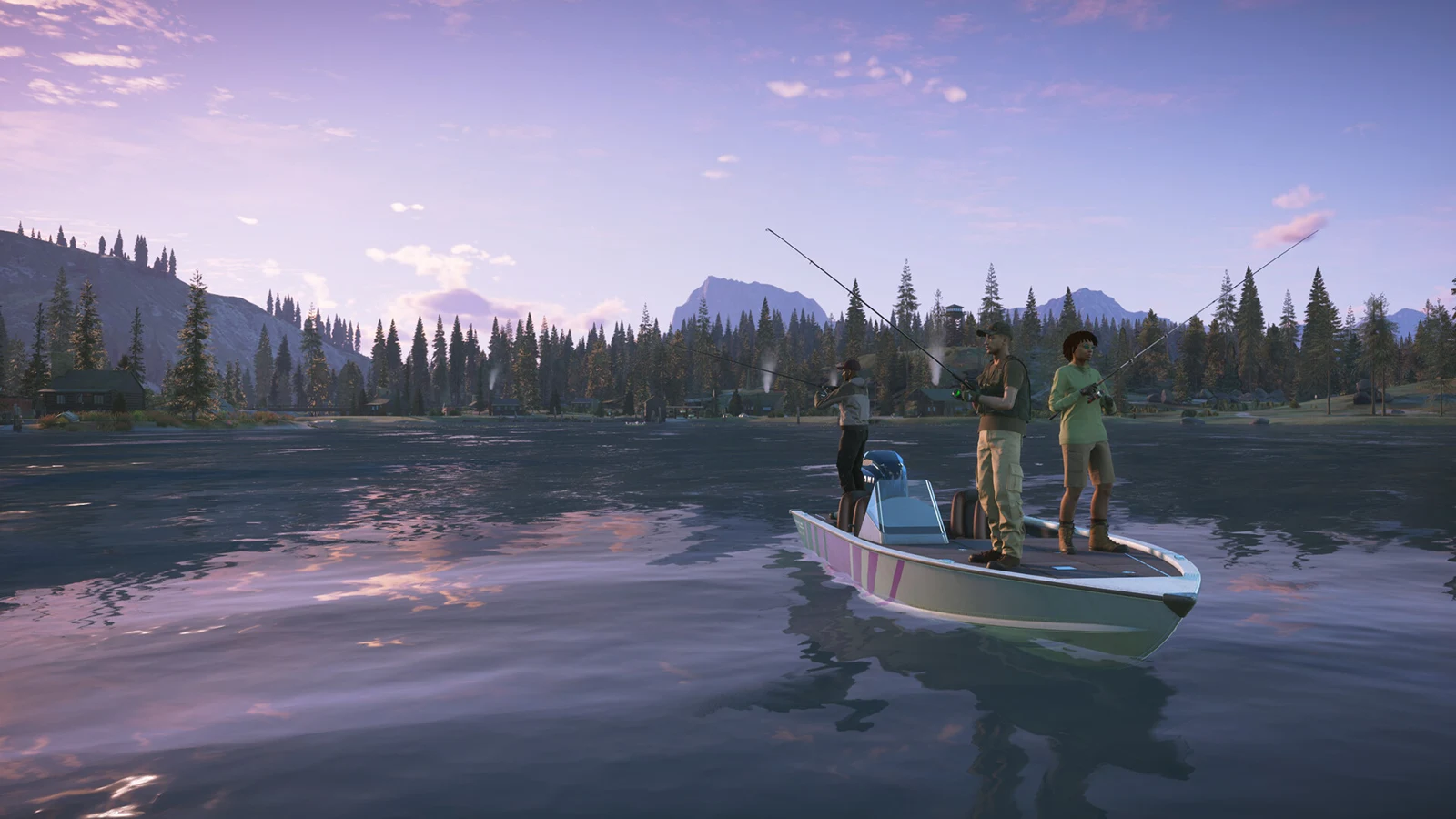
Start with the scene as you see it: the contrast on the water, the visibility of the far bank and the colour of the sky. Those are observations. The idea that the same scene must produce a particular fish is a separate claim. Keeping the two apart makes your journal more honest and your exploration less frustrating.
Use atmosphere as a creative constraint
Try choosing a view because of its mood rather than its reputation. Frame a sheltered corner or a broad stretch of water and see what details become noticeable. The exercise does not require a specific weather cycle or a special camera feature; simply look around with a more deliberate question.
Avoid borrowing certainty
A dramatic screenshot can make a fishing recommendation sound convincing even when it provides little context. Ask what the picture actually shows. It may be an excellent reason to visit a place and a poor reason to expect a trophy. Allow scenery and fishing evidence to remain different kinds of information.
A practical exercise
Write two captions for a scene: one describing only visible details, the other describing its mood. Keep any fishing hypothesis on a separate line. This small distinction helps you appreciate the atmosphere without accidentally presenting an appealing view as evidence of a mechanical advantage.