Move the viewpoint, not every variable
A familiar body of water can feel entirely new from a different approach. For this session, make the viewpoint your only planned change. Keep a comfortable tackle setup and concentrate on the surroundings. This separates a landscape visit from a fishing experiment; you are not trying to prove that the opposite shore contains better fish.
Notice the frame
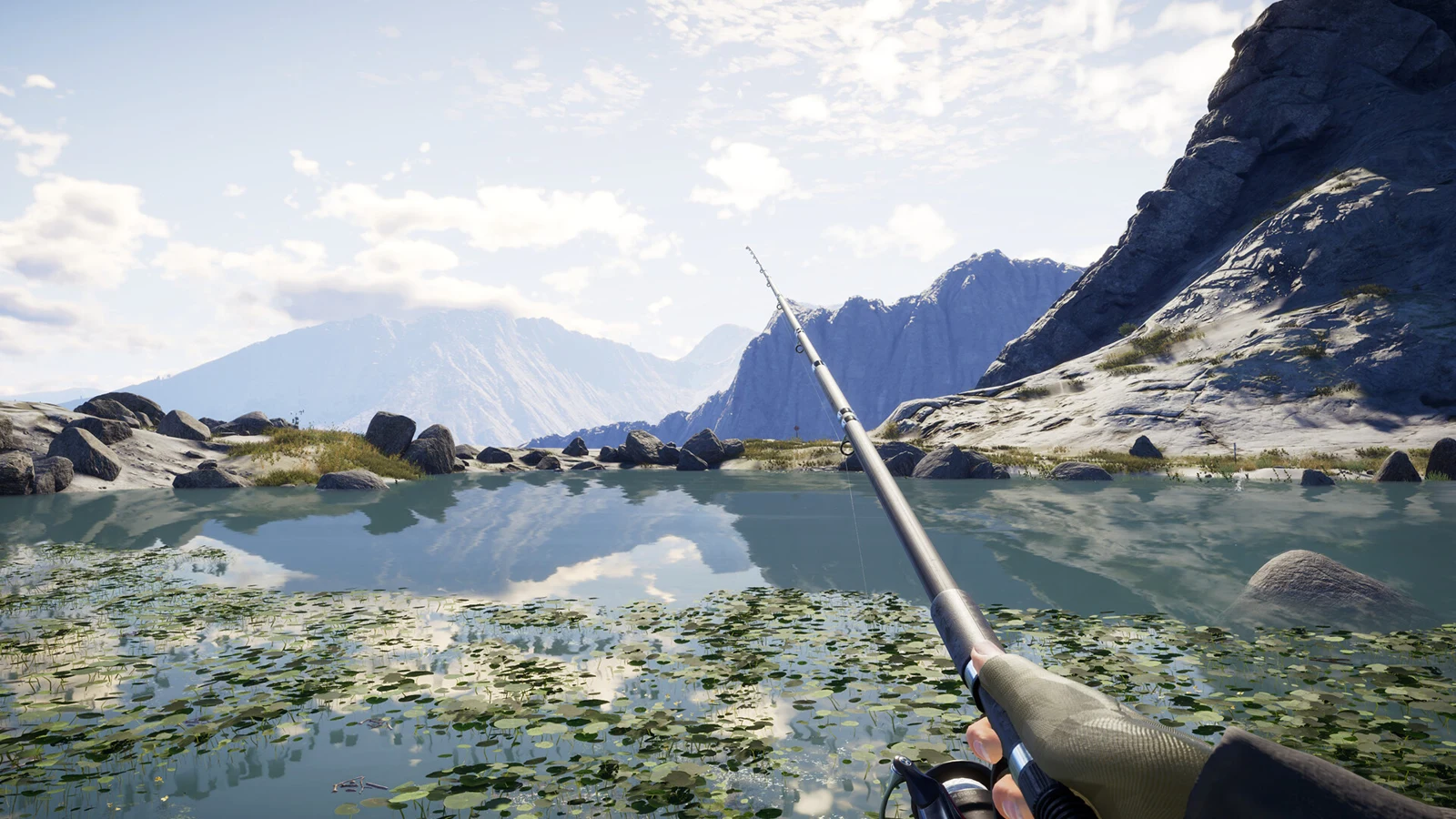
Look at what fills the foreground, where the shoreline leads the eye and how much open water you can see. Those simple observations explain why one position feels sheltered and another feels expansive. If you take a screenshot, use it as a reminder of the view, not evidence of a productive fishing spot.
Make a personal pairing
Save two short descriptions of the same place from different positions. Which would you revisit when you want a quiet session, and which when you feel like exploring? Personal preferences are more useful here than a universal list of the most scenic locations. The route can be valuable even when the fishing result stays unremarkable.
A practical exercise
Return to water you recognise, but approach it from a different accessible direction. Describe the near bank and the far bank separately. Choose which view you would show a friend, and explain why. The comparison is about your experience of the landscape, not the productivity of the spot.